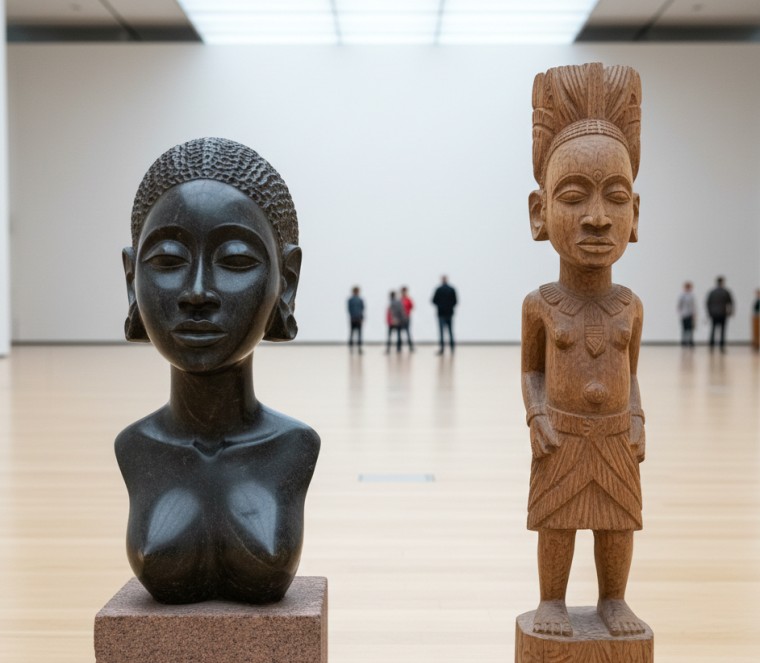
Zimbabwean and Kenyan Handcrafts: A Celebration of African Artistry
When you're looking for authentic African handcrafts, Zimbabwe and Kenya are two places you absolutely should know about. The artisans in these countries make incredible pieces by hand, using skills that have been passed down through families for generations. Whether it's stone carvings, beadwork, woven baskets, or wire sculptures, there's something truly special about these creations.
Zimbabwe's Handcrafts
Stone Carving
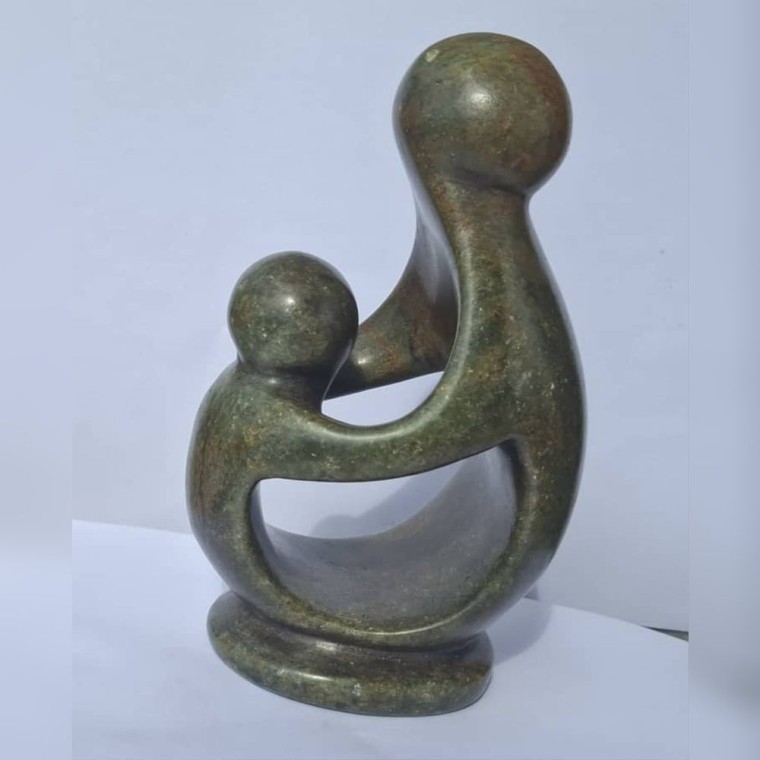
Zimbabwe is famous for its stone carving. Shona artisans carve soapstone and verdite (a beautiful soft-green stone) into sculptures, animals, and figures that often have spiritual meaning. The Great Zimbabwe civilization was carving stone as far back as 1200 AD, and that tradition is alive today. You'll see everything from abstract pieces to detailed bird and animal figurines in galleries and markets.
Binga Baskets
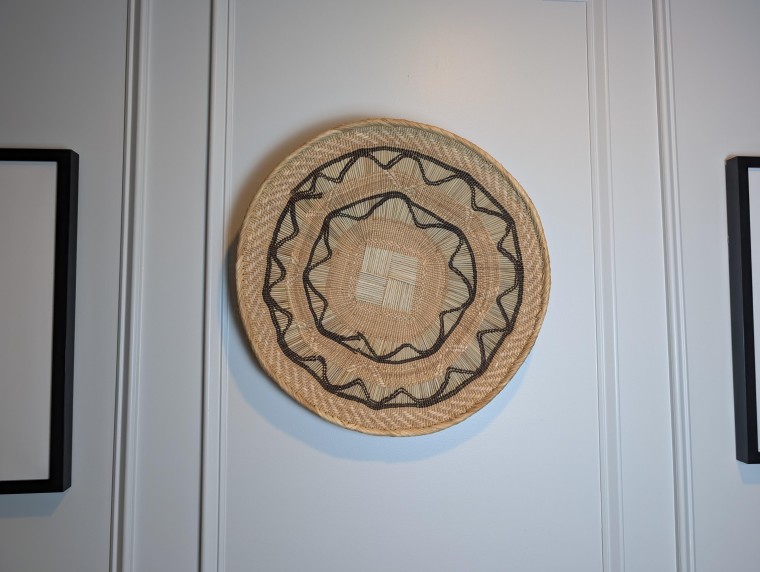
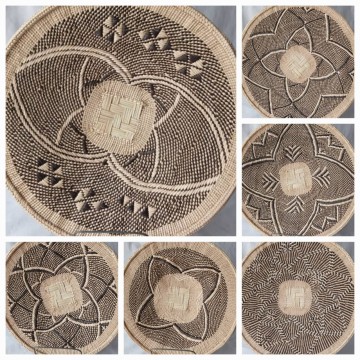
In the Binga district, women weave baskets from palm fronds and grasses they gather themselves. These baskets are stunning—they have intricate geometric patterns that tell stories and represent things that matter to their communities. What's great about them is that they're made with natural materials and traditional methods, so you're getting something that's both beautiful and environmentally friendly. Explore more baskets
Wire Art and Beadwork
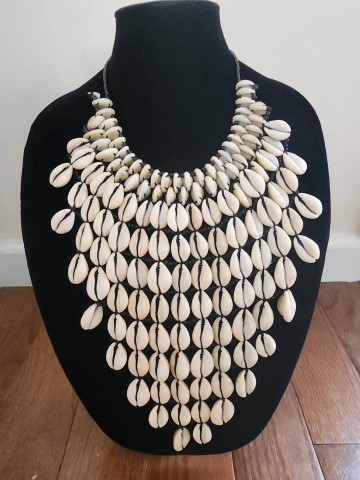
Some Zimbabwean artists take recycled metal and turn it into amazing animal sculptures and jewelry. You'll also find bright, colorful beadwork that becomes necklaces, bracelets, and decorative pieces. It's creative recycling at its best—turning waste into real art.
Pottery and Batik
Zimbabwean potters hand-form clay into vessels decorated with designs from local myths and nature. Artisans also create beautiful batik fabrics using traditional techniques that create unique textures and patterns inspired by everyday life.
Kenya's Crafts
Maasai Beadwork
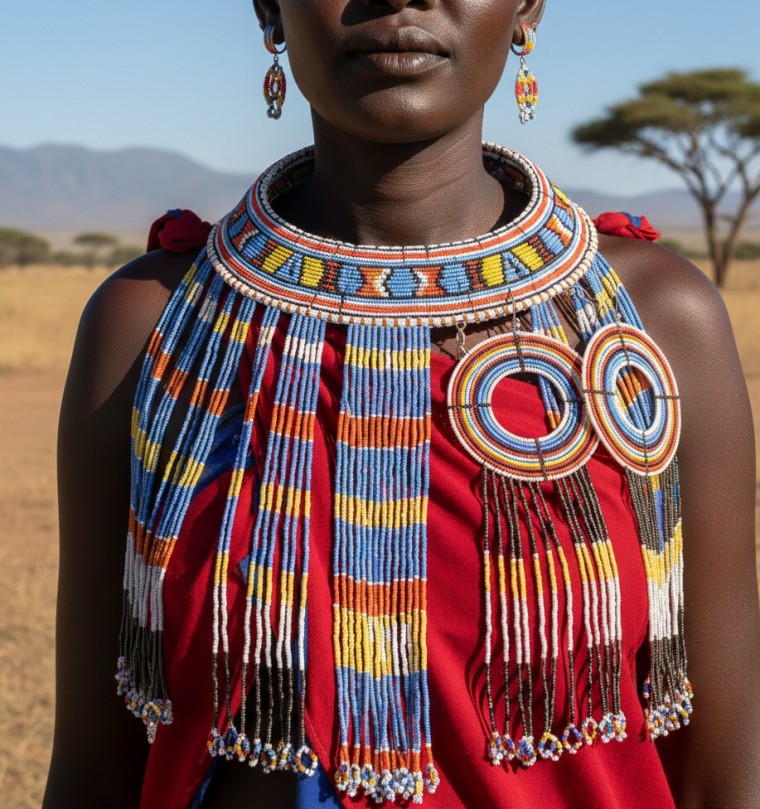
The Maasai have been making beadwork for hundreds of years. Each color has meaning—red is for bravery, blue for peace. The beads tell you things about the person wearing them: their status, whether they're married, what they believe. Today's artisans are still honoring these traditions while also creating modern pieces that appeal to people around the world.
Kiondo Baskets
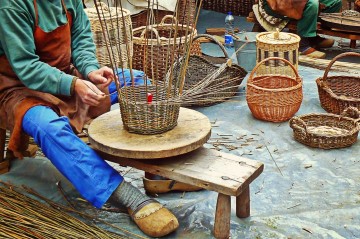
Kamba women weave kiondo baskets from sisal fiber. These baskets are tough—they last forever—and they're gorgeous. They were originally made for storing grain, but now they've become popular as bags and home décor. The weaving takes real skill and patience.
Wood Carving
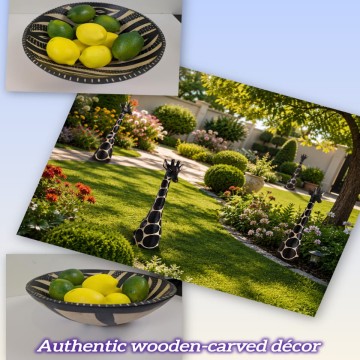
Kenyan wood carvers, especially from the Kikuyu community, create sculptures of animals, people, and spiritual figures. Some pieces are just beautiful to look at, while others have cultural or spiritual significance. You'll find similar work in soapstone too, with artisans creating everything from small figurines to larger pieces.
Ceramics
Organizations like Kazuri produce handmade ceramic beads and pottery that blend traditional craftsmanship with modern design. These products are sold in 30 countries and provide real jobs for over 400 artisans, many of them women.
Textiles
Kenya has a strong textile tradition. The Maasai Shuka—that boldly patterned cloth—started as practical clothing but has become a fashion statement worldwide. Artisans continue weaving and tie-dyeing fabrics that celebrate their heritage.
Why It Matters
When you buy these handcrafts, you're supporting real people. Many of these artisans live in rural or economically struggling areas, and their craft work is their main income. Buying directly from them or through fair-trade retailers means the money goes to the people who actually made the piece.
You're also helping keep these traditions alive. Without demand for handcrafted goods, these skills could disappear as people move away to find other work. Plus, buying handmade items supports sustainable practices—natural materials, traditional methods, and no mass production.
Where to Find Them
You can find Zimbabwean and Kenyan handcrafts on platforms like Tarooka and through specialty retailers that work directly with artisans. Many sellers include information about who made the piece, and some even have photos of the craftspeople. This direct connection makes your purchase feel more meaningful.
The Bottom Line
These handcrafts aren't just pretty things to own. They're pieces with real history, made by skilled people in their communities. When you choose handmade over mass-produced, you're supporting livelihoods, preserving cultural traditions, and bringing something genuine into your home. That's worth something.